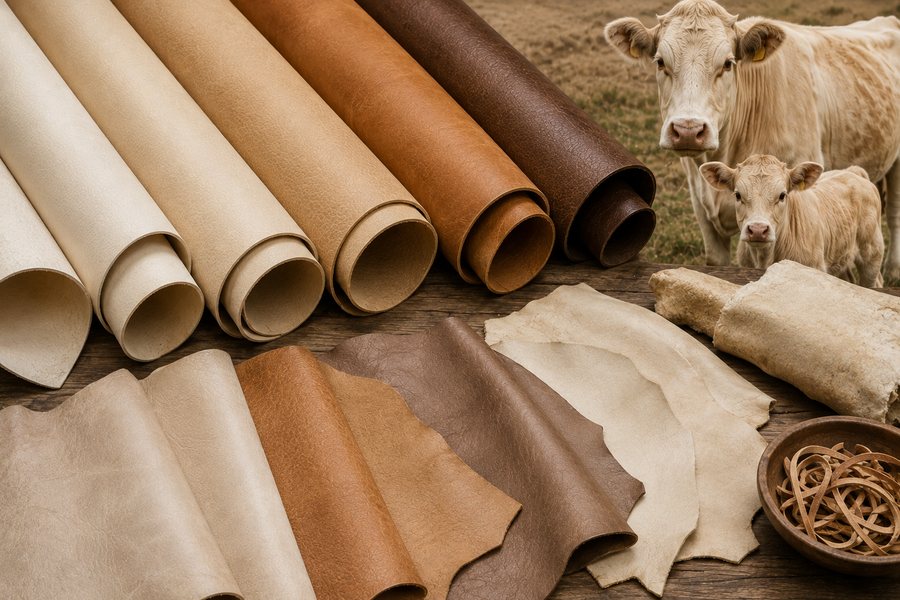
Traditional LeatherAnimal
(Most common) Skin of cattle, calves, pigs, sheep, lambs, goats
(Less common) Skin of crocodiles, snakes, kangaroos, zebras and elephants

Sustainability Journal
Not all vegan leather is created equal.
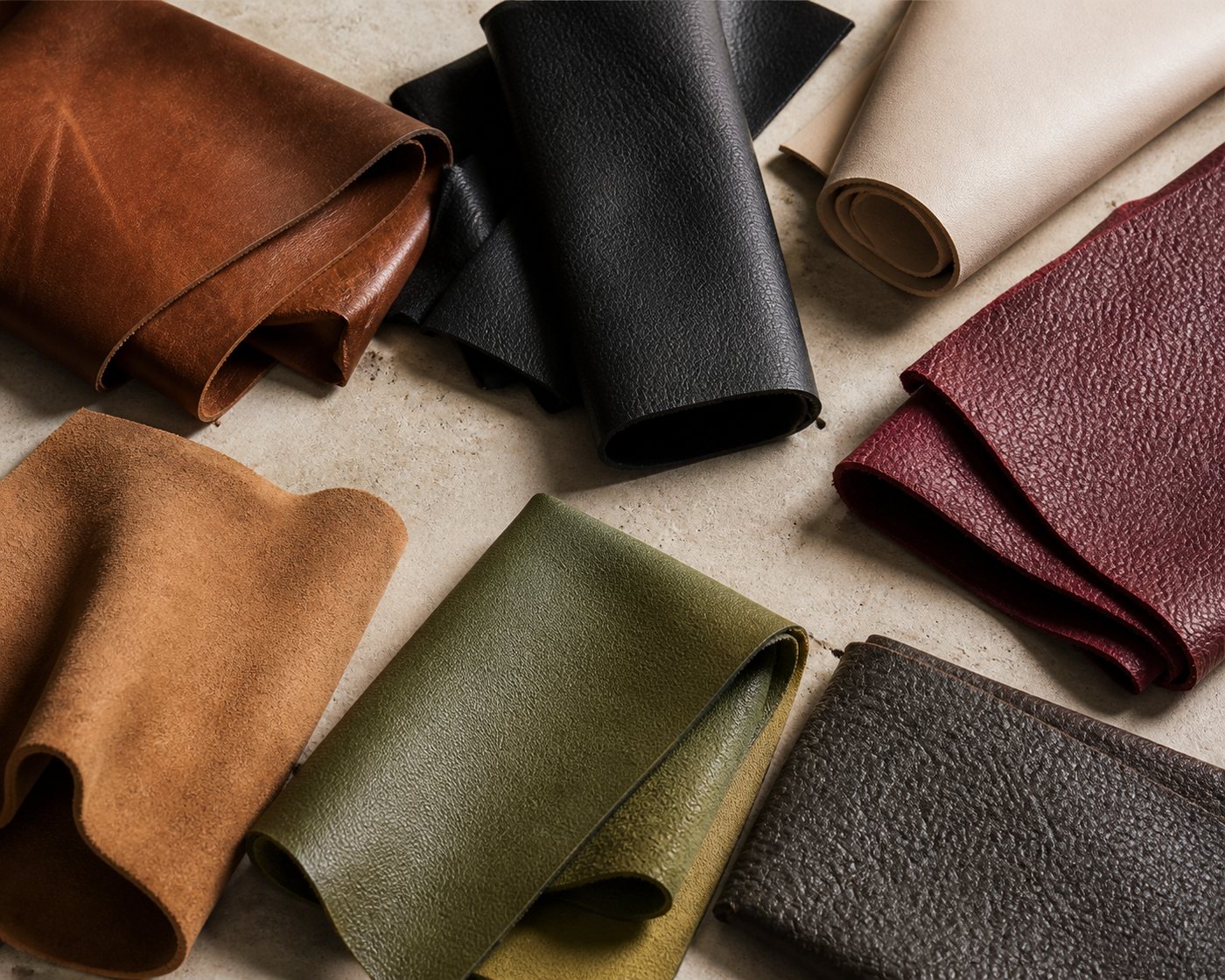
Behind the label, many products marketed as sustainable alternatives are still made largely from PVC or PU—petroleum-based plastics designed to mimic the look and feel of leather. While they avoid animal materials, they’re usually far from environmentally harmless. These plastics rely heavily on fossil fuels, require energy-intensive production, and do not biodegrade, often contributing to long-term pollution.
The term vegan leather can sound inherently sustainable, but in reality, it can sometimes replace one issue with another. This is where greenwashing begins, when the story sounds cleaner than the truth behind it.
We believe transparency matters. It’s not enough to know what a material leaves out. We should also understand what goes into it, how it’s made, and what happens to it over time.
For us, sustainability is not just a label. It’s a responsibility and one that deserves honesty, not disguise.
The Full Comparison
Three different materials — where each one comes from, how it is made, how long it lasts, and what happens to it at the end.
A Quick Introduction
(Most common) Skin of cattle, calves, pigs, sheep, lambs, goats
(Less common) Skin of crocodiles, snakes, kangaroos, zebras and elephants
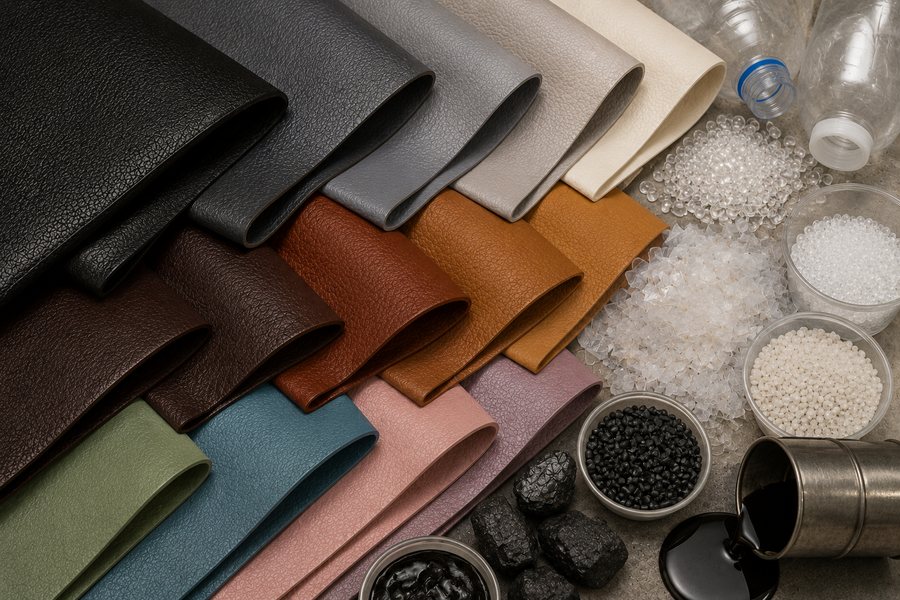
Plastic
Petroleum-based chemicals
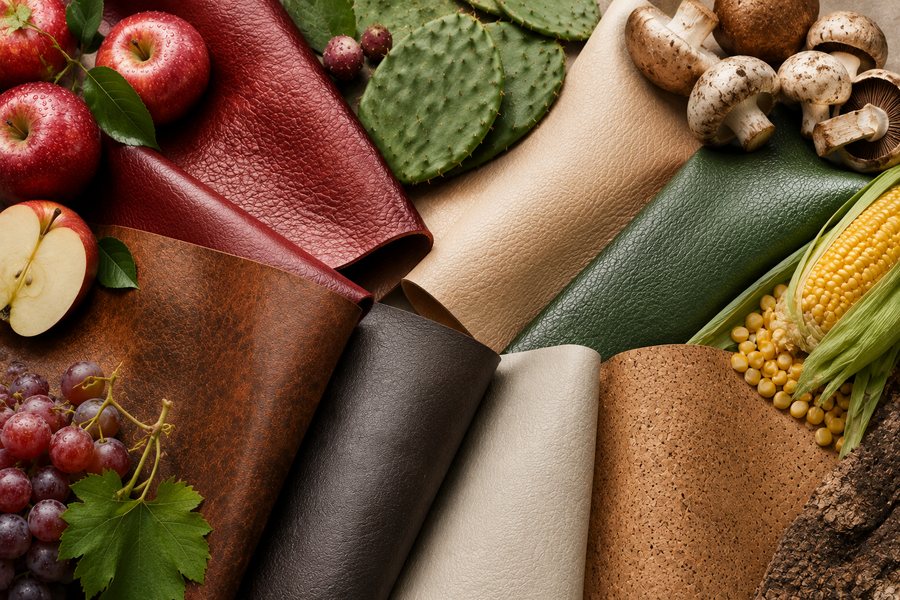
Plant-based materials such as apple peel, pineapple leaves, olive, mushroom mycelium, coconut, cactus, bamboo, etc
Sustainability
Highly durable – A real leather product can last 20+ years when properly cared for. Ages well and can be repaired, reducing overall waste
Not durable – Peels or cracks within a few years, leading to faster disposal
Highly durable – High quality plant-based leathers have proven to be quite durable and a good alternative to real leather
Depends on tanning process – Vegetable tanned leather (less common) biodegrades naturally, while chemically treated leather takes decades to break down
Not biodegradable – PVC/PU are plastics and contribute to microplastic pollution
Biodegradable – Except for those which still contain plastic coatings
Ethical Considerations
Debatable issues on factory farming and animal slaughter, though leather is a by-product of the meat industry but the industry still supports animal agricultural
Cruelty-free – No animals are harmed. (commonly known as vegan leather)
Cruelty-free – No animals are harmed. (commonly known as vegan leather)
For us, sustainability isn’t just a label. It’s a responsibility, and one that deserves honesty, not disguise.
be.Bold is committed to plant-based leather because we believe style should never come at the expense of animals or the planet. By choosing animal and cruelty-free materials with a demonstrably lower carbon footprint than traditional leather and many fossil-based synthetics, we help reduce greenhouse gas emissions and conserve resources. Our olive-derived leather, created from agricultural by-products, supports a more circular economy, transforming waste into enduring pieces, reflecting our commitment to responsible innovation, season after season.
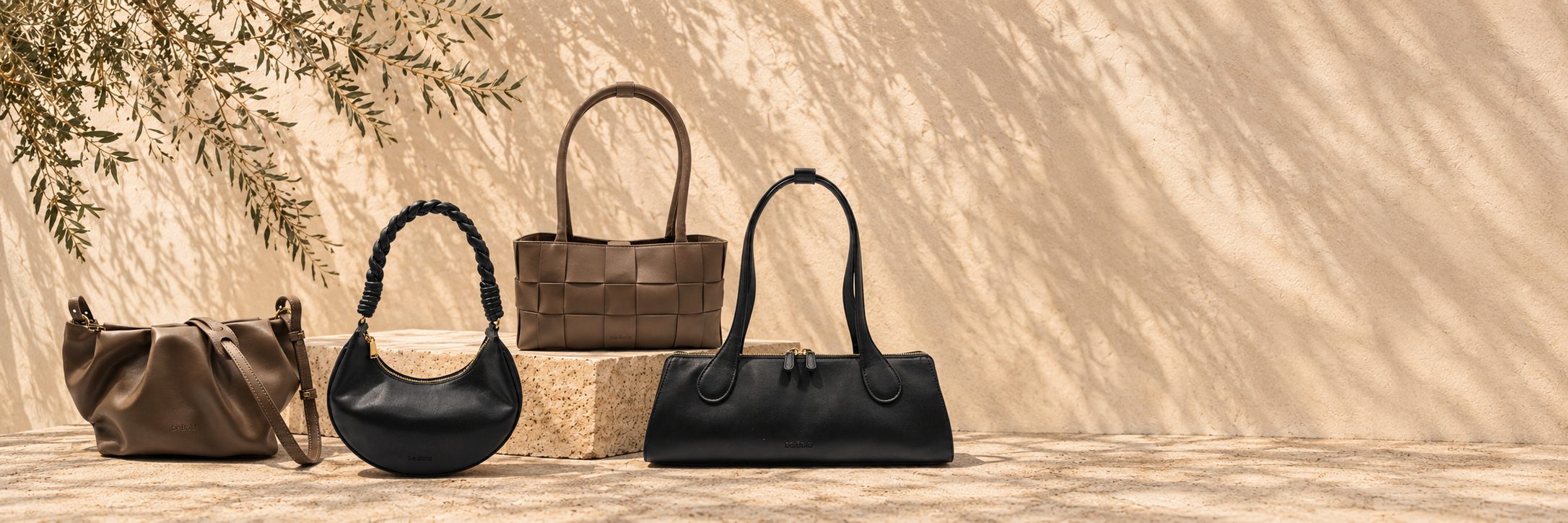
Step into a collection of premium bags that fuse sustainable innovation with timeless, modern luxury.
Find Your Bold Carry